ADHD Masking in Children: Why Your Child's School Says They're Fine (But You're Not So Sure)
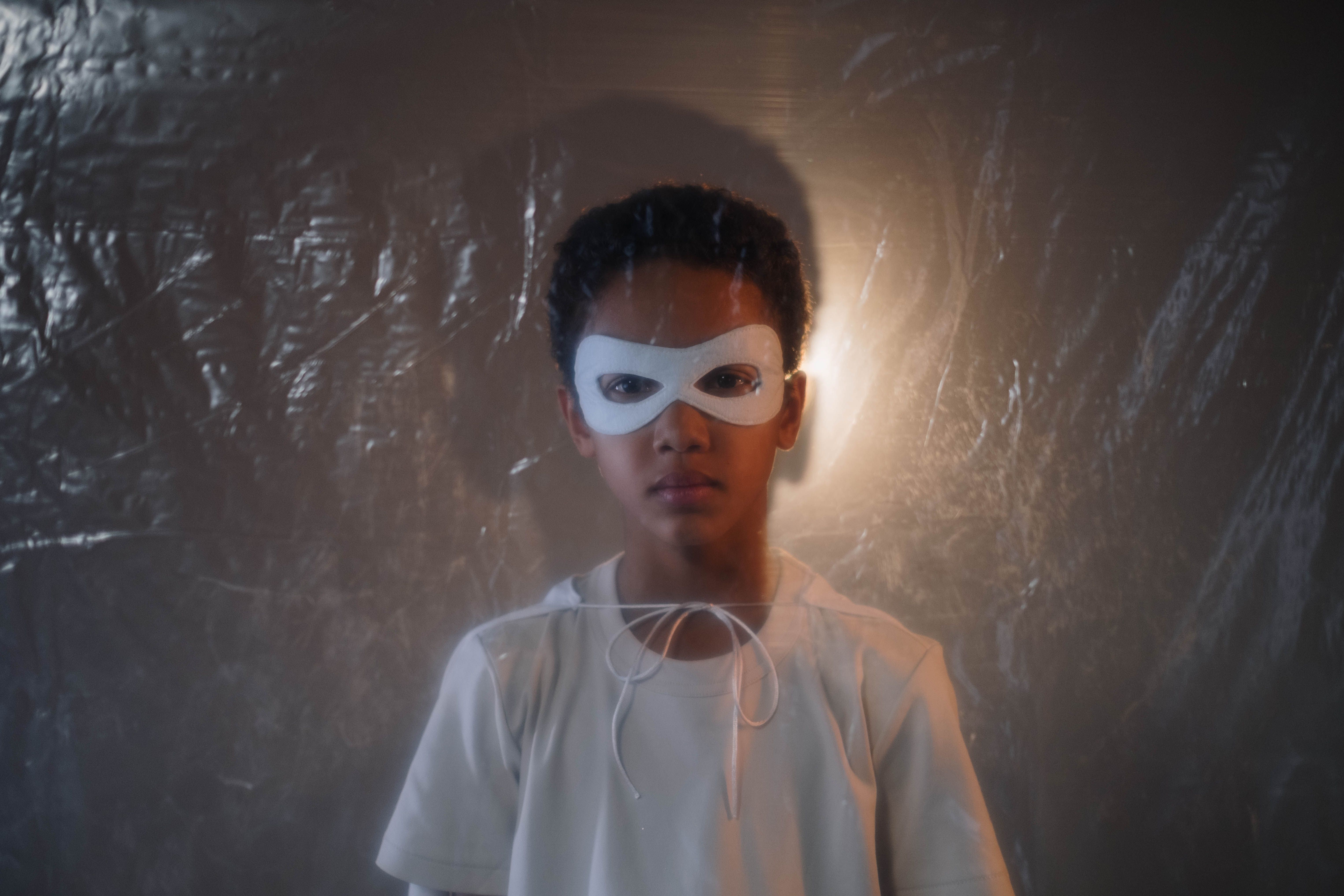
Your child sits perfectly still in class. Teachers say they're no problem. But at home? They're a whirlwind; bouncing between activities, struggling to focus on homework, emotionally intense. And you're watching them work so hard to keep it together.
You mention ADHD to your GP. The response is often: "Well, their teacher hasn't raised any concerns, and they're doing okay academically. Probably not ADHD."
This is ADHD masking. And it's one of the biggest reasons children; especially girls, anxious children, and high-achieving kids, slip through the diagnostic net.
Here's what's crucial to understand: masking isn't listed in the DSM-5 as an ADHD symptom, yet clinicians who specialise in ADHD assessment consistently find it in children's presentations. It's not a diagnostic criterion, but it's a very real reality that profoundly affects how ADHD shows up, and how easily it gets missed.
At Paloma Health, we've assessed hundreds of children and young people where masking was the key to accurate diagnosis. Many had been dismissed as "not having ADHD" by professionals who only saw the masked school version, missing the exhausted, struggling child parents see at home. This blog explains what ADHD masking looks like in children, why it happens, and why it matters for getting your child properly assessed and supported.
What Is ADHD Masking in Children?
ADHD masking, also called "camouflaging", is the conscious or unconscious effort to suppress or hide ADHD symptoms to fit social expectations. In children, it often means appearing calm and focused in structured settings (like school) while struggling significantly in less structured environments (home, weekends, unstructured tasks).
It's not the same as the natural self-regulation all children develop. Masking is an exhausting, often unconscious performance that requires significant mental energy. In children with ADHD, it typically involves:
- Over-controlling behaviour at school: Sitting unnaturally still, fighting the urge to fidget, holding tension in the body all day
- Hyper-focus on "being good": Intense vigilance about rules and staying out of trouble, especially for anxious or perfectionist children
- Suppressing natural communication: Not raising their hand even when they know the answer, being unusually quiet, holding back comments
- Performing focus: Appearing to work while internally struggling to concentrate, copying work from peers to hide comprehension gaps
- Emotional suppression: Holding in frustration, anxiety, or big feelings at school, then having an emotional explosion at home
- Exhaustion on return home: Coming home and "crashing", becoming irritable, emotional, or unable to do anything else
The key difference: A typically developing child might be well-behaved at school. A child with ADHD who masks appears perfectly well-behaved, but it's costing them immense energy. The effort is unsustainable, and it shows up somewhere, usually at home.
Why Children with ADHD Mask (And Why It's So Effective)
School Pressure and Rules
For many children with ADHD, school is a high-structure, high-stakes environment. It demands:
- Sitting still for long periods
- Following complex sequences of rules
- Filtering impulses and comments
- Maintaining focus despite environmental distractions
Children are acutely aware that fidgeting, calling out, or looking distracted leads to:
- Teacher disapproval ("Stop wriggling")
- Peer judgment ("Why are you being so weird?")
- Punishment (detention, losing break time)
- Shame and social consequences
So they push down their natural impulses. For hours. Every day. Even very young children can learn that revealing ADHD traits brings negative consequences.
Gender-Specific Masking
Research shows that girls with ADHD mask significantly more effectively than boys, contributing to the massive diagnosis gap: ADHD is identified in boys at roughly 3-4x the rate of girls, despite roughly equal prevalence.
Why? Girls are socialised differently:
- Expected to be quiet, organised, and emotionally regulated
- Given more negative feedback for restlessness and "chattiness"
- Praised for "good behaviour" (sitting still, compliance)
- Encouraged to suppress emotions and needs
- Often develop perfectionism as a coping strategy
These socialisation patterns mean girls with ADHD often develop masking strategies by age 6-7—before many adults even consider ADHD might be relevant.
Similarly, children who are anxious, perfectionistic, or high-achieving develop more sophisticated masking earlier because they're more motivated to "get it right."
Home vs. School Difference
The gap between school and home behaviour is the real tell. At school:
- Strict routines and rules provide external structure
- Teacher monitoring creates accountability
- Consequences for behaviour are immediate and clear
- The child is highly motivated to comply
At home:
- Fewer external structures
- More freedom to be themselves
- Tasks are often unstructured (homework, chores, free time)
- Emotional regulation has collapsed from the day's effort
- The familiar person (parent) is "safe" for the real emotions to come out
This is why parents often hear: "I don't see any of that at school" when they raise concerns. The teacher isn't seeing the real child; they're seeing the masked performance.
Anxiety and the Masking Trap
Many children with ADHD also have anxiety. Anxiety drives masking as a coping mechanism: "If I can just appear normal and follow the rules perfectly, I'll be okay."
This creates a painful cycle:
- Child feels anxious about their differences
- Masking reduces anxiety temporarily (they're not getting in trouble)
- But masking doesn't address underlying ADHD
- Unmet needs accumulate
- Anxiety increases long-term
- Child masks even harder
Over time, this can lead to serious anxiety, perfectionism, and burnout, often before parents even realise ADHD is the underlying issue.
Why School Reports Can Miss Masked ADHD (And Why the DSM-5 Doesn't Help)
The DSM-5 criteria for ADHD focus on observable symptoms:
- Inattention (difficulty sustaining attention, makes careless mistakes, etc.)
- Hyperactivity/impulsivity (fidgets, interrupts, difficulty waiting turns, etc.)
Masking isn't listed because it's not a symptom of ADHD itself, it's a response to having ADHD in a world that doesn't accommodate it.
However, this creates a major diagnostic blind spot, especially in children. Here's why:
The School Report Problem
When you mention ADHD concerns to your GP or ask about assessment, professionals often rely on teacher reports. Teachers see:
- A child sitting still (masking the hyperactivity)
- A child not calling out (masking the impulsivity)
- A child with acceptable grades (compensating despite attention issues)
- A child following the rules (conforming due to anxiety)
They don't see:
- The immense effort required to maintain this behaviour
- What happens at home when masking collapses
- The internal restlessness and racing thoughts
- The child struggling with unstructured tasks
- Emotional dysregulation that only emerges at home
Teachers may genuinely report: "No concerns. Good behaviour. Academically fine." This doesn't mean your child doesn't have ADHD. It means your child is very good at masking.
When GPs Miss Masked ADHD
Many GPs assess ADHD against observable symptoms plus school reports. If school reports are positive, they often conclude there's no ADHD. They might suggest:
- "Wait and see"
- "Perhaps it's anxiety, try that first"
- "Your child is just sensitive"
- "There's nothing wrong with them"
But your lived experience, the meltdowns, the emotional intensity, the homework battles, the exhaustion, is real. And it often suggests ADHD.
Why Specialist Assessment Is Different
Specialist ADHD clinicians know that masking is common and expect to look for it. They:
- Take detailed developmental histories (not just school reports)
- Ask parents directly: "What's your child like at home when they're not masking?"
- Understand the gender and age-specific presentations
- Know that good grades ≠ no ADHD
- Recognise anxiety, perfectionism, and emotional intensity as possible ADHD presentations
- Look at the effort required, not just the outcomes
- Use assessment tools designed to capture masked presentations
This is why specialist assessment often reveals ADHD that GPs and school assessments miss.
Signs Your Child Might Be Masking ADHD
Look for patterns, particularly a significant difference between school and home behaviour:
At School (What Teachers See)
- Generally well-behaved, follows rules
- Sits relatively still, doesn't fidget excessively
- Doesn't call out or interrupt
- Academically keeping up (passing grades, no obvious struggles)
- Gets along with peers (no major behavioural concerns)
- Appears focused and attentive
At Home (What You See)
- Comes home and has an emotional meltdown or "crashes"
- Extreme difficulty with homework despite "being fine" at school
- Restless, fidgety, can't sit still
- Impulsive, speaks before thinking, interrupts frequently
- Emotionally intense or reactive (disproportionate anger/tears)
- Difficulty with transitions or changes to plans
- Can't focus on tasks that aren't highly interesting
- Forgets instructions or conversations almost immediately
- Only able to focus intensely on preferred activities
Red Flags for Masked ADHD Specifically
- Teacher says "no concerns" but you see completely different behaviour at home
- Works far harder than peers for similar grades
- Perfectionism or anxiety about getting things "right"
- High-achieving but always seems overwhelmed or exhausted
- Seems anxious or worried more than peers
- Struggles with unstructured time or tasks (projects, free play)
- Very different behaviour depending on the adult present (worse with parent, better with teacher)
- Difficulty winding down or "switching off" after school
- Frequent "but they were fine at school" moments when you describe home struggles
Key insight: If professionals say "I don't see it at school so there's probably no ADHD," but you're seeing significant struggles at home, this is classic masked ADHD. The absence of symptoms at school doesn't mean they don't have ADHD, it means they're masking it very effectively.
Getting an Accurate Assessment When Your Child Masks ADHD
Reframe "Strengths" as Possible Compensation
Apparent strengths might actually be ADHD with intensive compensation:
- "Very well-behaved" might mean: "Extremely anxious about consequences, masking impulsivity through sheer effort"
- "Perfectionist" might mean: "Using rigid rules and over-preparation to compensate for executive function difficulties"
- "Quiet and reserved" might mean: "Learned not to speak up because early impulses were punished"
- "Gets decent grades" might mean: "Working 3x harder than peers with similar ability, masking attention difficulties"
- "No problems at school" might mean: "Collapsing from the effort of masking once they get home"
How to Advocate for Your Child During Assessment
If professionals dismiss your concerns based on school reports, bring the home picture into focus:
When speaking to your GP or school:
- "My child's behaviour at home is very different from school. I'm concerned about the gap."
- "They're exhausted and dysregulated at home, even though school says there are no concerns."
- "I'm wondering if masking at school is masking ADHD symptoms."
- Describe specific examples of home struggles (emotional dysregulation, homework difficulties, restlessness)
During specialist ADHD assessment with Paloma:
- Bring detailed observations of home behaviour
- Describe what your child is like when they're not masking (alone, with you, in unstructured settings)
- Mention any history of anxiety or perfectionism, these often co-occur with masked ADHD
- Share your concerns about the school/home gap
- Be specific about the effort you see them invest in "holding it together"
This information is diagnostic gold for experienced ADHD clinicians. It reveals the ADHD that surface observation would miss.
Why School Assessment Often Isn't Enough
Many parents try to get ADHD assessment through school or their GP first. These assessments often rely heavily on teacher reports and classroom observation. This misses masked ADHD because:
- Teachers see the masked version
- School is the most structured environment (where masking is most effective)
- No one observes the home collapse or unstructured time struggles
- Professionals may not ask about the school/home gap specifically
Specialist ADHD clinicians like Paloma understand these limitations and specifically look for masking. They know that:
- Good teacher reports don't rule out ADHD
- Home behaviour is equally important diagnostic information
- The effort and exhaustion are part of the ADHD picture
- Anxiety and perfectionism often accompany masked ADHD
- Girls, anxious children, and high-achievers often mask effectively
What to Expect from Specialist Assessment
A specialist ADHD assessment should include:
- Detailed developmental history: What was your child like before school? Early signs of ADHD?
- Parental interview: Specific questions about home behaviour, the school/home gap, emotional regulation
- Child interview: Age-appropriate discussion of their experience
- Observation and testing: Structured assessment, but with awareness that masked ADHD won't show obviously
- School information in context: Teacher reports are useful, but not the whole picture
- Recognition of compensation: Understanding what your child has to do to achieve what they achieve
This comprehensive approach catches masked ADHD that narrower assessments miss.
What Happens After Diagnosis: Support and Understanding
For many parents and children, getting an ADHD diagnosis, especially one that recognises masking, is profoundly validating. Suddenly, years of unexplained exhaustion, anxiety, behavioural struggles, and the school/home gap make sense.
Diagnosis opens doors to support:
For Your Child
- Medication (if appropriate): Can reduce the neurological demand of masking, making it less exhausting
- School accommodations: Reduced pressure to mask, breaks when needed, structured support
- Therapy or coaching: Help with emotional regulation, anxiety, self-worth, healthy coping strategies
- Understanding: Knowing they're not "broken" or "defiant"; their brain works differently, and that's okay
- Self-acceptance: Building identity around their real self, not the masked version
For Your Family
- Explanation: The home struggles now make sense, it's not your parenting, and your child isn't "difficult"
- Reduced shame: Understanding that the behaviour at home is exhaustion and dysregulation, not defiance
- Better strategies: Tailored parenting approaches that work with ADHD, not against it
- Relief: Knowing there's a reason and a path to support
- Connection: Often, families realise they're not alone; many other families face these challenges
Key Takeaways for Parents
- ADHD masking is real and common: especially in girls, anxious children, and high-achievers, but isn't listed in DSM criteria, so it's often missed.
- The school/home gap is a red flag: if teachers say "no concerns" but your child struggles significantly at home, masked ADHD is worth investigating.
- Good behaviour at school doesn't rule out ADHD: it often means your child is masking successfully, usually at great cost to their well-being.
- The cost of masking is high: Anxiety, perfectionism, exhaustion, emotional dysregulation, and burnout are common in children who mask ADHD for years.
- Standard assessment pathways often miss masked ADHD: GP assessments that rely on teacher reports may conclude "no ADHD" even when your child is struggling significantly.
- Specialist assessment changes everything: Clinicians trained to recognise masking specifically look for it, take parental observations seriously, and understand the school/home gap.
- Your observations matter: If you're seeing patterns of masked ADHD in your child, trust that. You know your child better than anyone.
If your child shows signs of masked ADHD, it's worth seeking specialist assessment that specifically understands these presentations. Your child might be undiagnosed not because they don't have ADHD, but because they've been very good at masking it.
About Paloma Health
Paloma Health is a specialist clinic for ADHD and autism assessment for children and young people.
Our clinicians are specifically trained to:
- Recognise masked ADHD presentations
- Take parental observations seriously
- Understand the school/home gap
- Assess beyond what teacher reports reveal
- Look at developmental history and the real cost of masking
- Work with high-achieving, anxious, and perfectionistic children who are particularly good at masking
We understand that the absence of teacher concerns doesn't mean there's no ADHD. We're here to provide the specialist assessment your child deserves.
Frequently Asked Questions
Q: My child's teacher says there are no concerns, so it can't be ADHD, right? A: Not necessarily. Teachers see your child in a highly structured, carefully managed environment where masking is most effective. They may not observe the exhaustion, dysregulation, and struggles that emerge at home. The absence of teacher concerns doesn't rule out ADHD, it often just means your child is masking successfully.
Q: Could the home struggles just be parenting or my child being difficult? A: It's possible, but when paired with signs of masking (perfect behaviour at school, emotional collapse at home, perfectionism, anxiety), it often suggests ADHD rather than parenting alone. The key is the pattern and the gap between environments.
Q: My child has good grades and friends, doesn't that mean they don't have ADHD? A: Good grades and friendships can co-exist with ADHD, especially when a child is masking and working very hard. Many children with masked ADHD achieve academically through effort and anxiety-driven perfectionism, not because attention is easy. The question is: how much effort is it costing them?
Q: Should I get my child assessed if the school hasn't raised concerns? A: If you're seeing significant patterns of masked ADHD, especially the school/home gap, specialist assessment is worth considering. Many children are undiagnosed because schools see the masked version. Your parental observations are valuable.
Q: Will getting diagnosed label or limit my child? A: Diagnosis itself doesn't label or limit your child, it opens doors. It helps your child understand why they struggle, reduces shame, and allows access to support strategies that actually work. Many children feel profound relief when diagnosed.
Q: What if I'm wrong and my child doesn't have ADHD? A: A good specialist assessment will clarify what's actually happening. If it's anxiety, perfectionism, or something else, that's valuable information too. The assessment doesn't "create" ADHD; it helps explain what you're already observing.
Q: Can girls mask ADHD differently than boys? A: Yes, significantly. Girls are often socialised to be quiet, organised, and emotionally controlled, traits that help mask ADHD effectively. Girls with ADHD are diagnosed at roughly 1/3 to 1/4 the rate of boys, yet prevalence is likely more equal. If you have a daughter showing patterns, specialist assessment is especially important.
Q: My child says they're tired all the time. Could that be ADHD masking? A: Yes, frequent exhaustion is a common sign. Masking requires significant neurological effort, leading to chronic tiredness. Combined with other signs of ADHD, unexplained fatigue is worth investigating.
Q: What happens after diagnosis? A: After diagnosis, your child can access support (medication if appropriate, school accommodations, therapy or coaching), and your family gets understanding and strategies tailored to ADHD. Many families describe it as a turning point where things finally start to make sense.